If you own or manage a property with a private hydrant, fire hydrant repair in Dawson Creek is a job that’s easy to put off and expensive to ignore. The hydrant sits at the edge of the lot, painted and apparently fine, until someone opens it and nothing happens, or water sprays out of the wrong place. By then the fire department is already on scene.
This article covers who is responsible for a hydrant, the faults that show up most often in Peace Region winters, what a repair visit involves, how to decide between repairing and replacing, and how to book the work so it’s finished before the ground freezes. It’s written for property owners, facility managers, and project teams. You don’t need a fire-protection background to follow it.
First, Find Out Whose Hydrant It Is
This question comes up on almost every first call, and the answer decides who pays and who does the work.
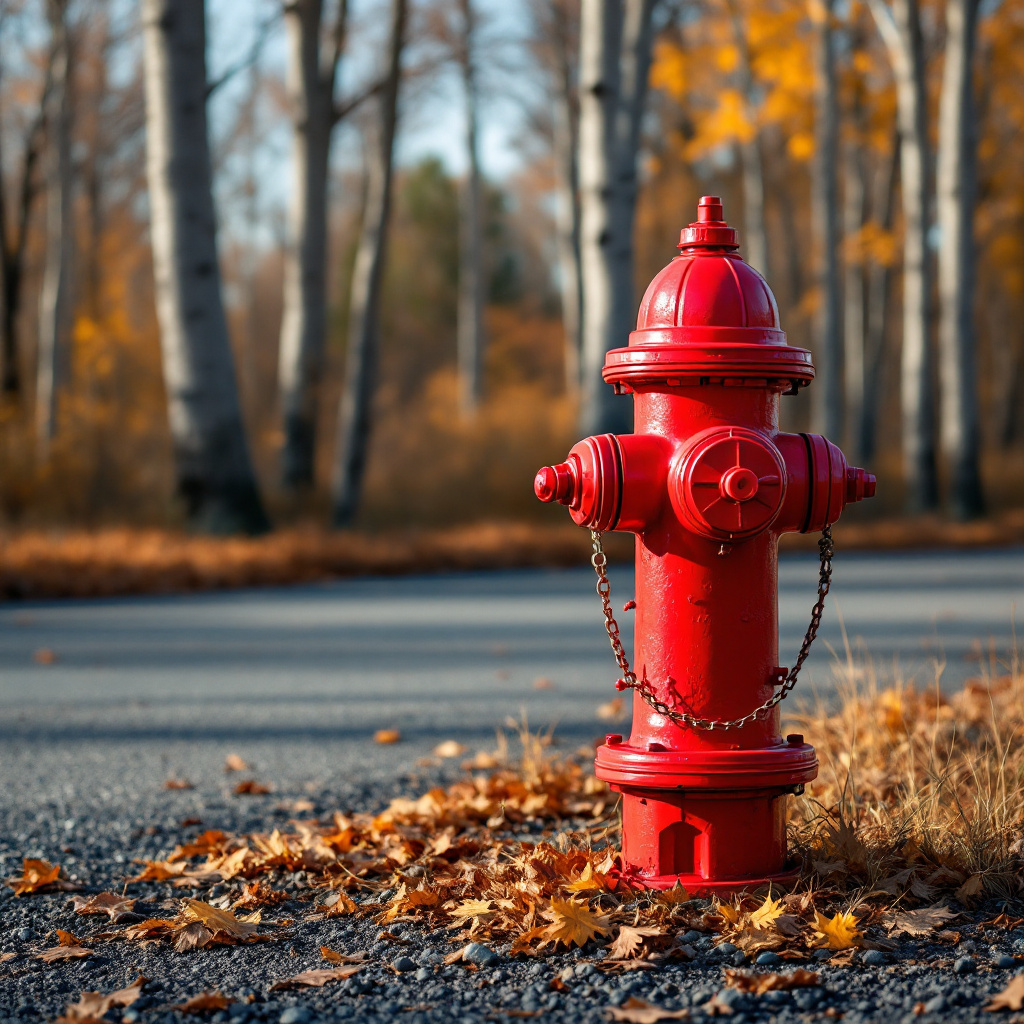
Municipal hydrants sit on public water mains, usually in the road right-of-way. The city or water utility owns and maintains them. If you spot a leaking or damaged one on a public street, report it to the municipality. Don’t try to arrange a repair yourself.
Private hydrants sit on a private water line serving your property. Industrial yards, shopping centres, apartment complexes, oilfield service sites, schools, and care facilities often have them. These are the owner’s responsibility. That covers inspection, maintenance, repair, and keeping the hydrant accessible.
Some sites have both, and the line between them isn’t always obvious. A hydrant on your lot might be fed from a main you don’t own. A hydrant near your fence line might be yours even though it looks like a street fixture. If you’re unsure, check your site servicing drawings or ask the municipality to confirm where the public main ends and your private line begins. Our hydrant identification and service page explains how we help owners sort this out.
The Faults We See Most Often in Peace Region Hydrants
Hydrants in northeastern BC work in hard conditions. Deep frost, long cold stretches, clay and gravel soils, road salt and sand, plow trucks, and heavy equipment all take a toll. Most hydrants here are the dry-barrel type, which keeps the upper barrel empty so it can’t freeze. That design works well as long as the drain does its job.
Drain failure and standing water
After a dry-barrel hydrant is shut off, a small drain at the base should let the barrel empty into the surrounding gravel. If that drain is plugged by silt or sits in saturated ground, water stays in the barrel. In winter it freezes, and frozen water can crack the barrel or lock the operating parts.
A quick field check: close the hydrant fully, then cover a nozzle with your palm. You should feel light suction as the barrel drains. No suction, or water still visible in the barrel after a few minutes, means the drain needs attention. Hydrants that fail this check won’t fix themselves.
Leaks at the nozzle caps, stem, or flange
A drip from a nozzle cap is usually a worn gasket. Water around the operating nut or at the top of the hydrant points to worn O-rings or packing around the stem. Water seeping at the ground line can mean a failed seal at the breakaway flange, or a cracked section underneath.
Small leaks matter more than they look. They soften the soil around the hydrant base, wash out bedding, and in cold weather build ice around the barrel. Ice can then hide further problems.
A stiff or seized operating nut
If the operating nut takes real force to turn, or won’t turn at all, something is wrong inside: corrosion on the stem, a damaged thread, a bent stem from a previous impact, or debris in the main valve. Forcing it with a longer wrench risks snapping internal parts and turning a repair into a replacement.
Damage from vehicles and equipment
Many hydrants are built with a breakaway feature so a vehicle strike shears a designed weak point instead of ripping the main open. After a hit, the hydrant may look straight and still be damaged internally, with a bent stem, a cracked flange, or a displaced barrel. Treat any hydrant that’s been struck as out of service until it’s been looked at.
Damaged nozzles, threads, and caps
Cross-threaded or burred nozzle threads show up when hose couplings have been forced on. A fire crew with a damaged thread loses time, and time is the one thing they can’t spare. Missing nozzle caps are a smaller problem, but they let debris, ice, and sometimes vandalism into the barrel.
Visibility problems
Faded paint, snow berms, overgrown brush, and stacked pallets are all maintenance issues rather than mechanical repairs, and they cause real delays. A hydrant that can’t be found quickly in a snowstorm effectively isn’t there.
What Fire Hydrant Repair in Dawson Creek Actually Involves
A good repair visit follows a pattern. Knowing it helps you judge quotes and plan for access.
- Inspection and diagnosis. The technician checks the hydrant’s condition, operates it, checks for leaks and drainage, and identifies what’s failed. This often catches a second issue the owner didn’t know about.
- Isolation. The hydrant is isolated from the supply, usually at its own gate valve or the nearest valve on your private line. Finding that valve is sometimes the hardest part of the job. Buried valves that nobody’s exercised in a decade can be seized or covered over.
- Disassembly and repair. Depending on the fault, this might be replacing gaskets and O-rings, replacing the stem or operating nut, rebuilding the main valve and seat, replacing nozzles, or swapping a damaged upper barrel section.
- Drain and bedding check. If drainage failed, the crew clears or replaces the drain components and often re-establishes the gravel bed around the base so water has somewhere to go.
- Reassembly and testing. The hydrant is brought back into service, operated through its full range, checked for leaks under pressure, and confirmed to drain properly.
- Records and follow-up. You should get a written note of what was found, what was done, and anything that needs attention later.

Most common repairs, such as gaskets, caps, nozzles, and packing, are done in a single visit. Replacing a barrel section or main valve is bigger. It needs planning, parts availability, and sometimes excavation. You can read more about how we scope this work on our hydrant repair page.
Repair or Replace? A Practical Way to Decide
There’s no single rule. A few questions get you most of the way.
- Can parts be found? Older hydrants from discontinued models can be hard to repair because parts are scarce. Our manufacturer library and resources section exist partly for this reason: identifying the make and model is the first step in finding compatible parts.
- Is the damage in the barrel or below grade? Cracked barrels, corroded lower sections, and failed shoe connections often cost more to chase than a replacement.
- How many times has it been repaired? One repair on a 20-year-old hydrant is routine. The same hydrant failing for the third time in four years is telling you something.
- What does the site depend on? A hydrant protecting a warehouse full of stock or a building with limited fire department access deserves more conservative decisions than one on an empty corner of a lot.
- Is the rest of the system aged out too? If the private main, gate valves, and other hydrants are all from the same era, you may want to repair one now and budget for staged replacement of the others.
A fair repair quote should explain why it recommends one path over the other. If it doesn’t, ask.
Timing: Why Fall Is the Right Season
Hydrant repairs can be done in winter, but they’re slower, harder, and sometimes limited. Frozen ground makes excavation difficult. Frost-heaved hydrants may need to be reset. Parts lead times don’t shrink in January. A fault that could have been a half-day gasket job in September becomes a thawing and digging job in February.
A reasonable annual rhythm for a private hydrant looks like this:
- Spring: Walk the hydrants after thaw. Look for frost damage, ground settlement, and leaks. Operate each one and confirm drainage.
- Summer: Handle repairs found in spring. Clear vegetation, repaint, and fix visibility problems.
- Early fall: Do a second check before freeze-up. Confirm drains, caps, and clearances. Fix anything outstanding.
- Winter: Keep access clear. Plow around hydrants without burying them in berms, and report any damage immediately.
If that sounds like a maintenance plan, it is. Repair and maintenance work as a pair. Our hydrant maintenance service is built around catching faults while they’re still cheap.
How to Prepare Before the Technician Arrives
A little preparation saves time on site, and that saves money.
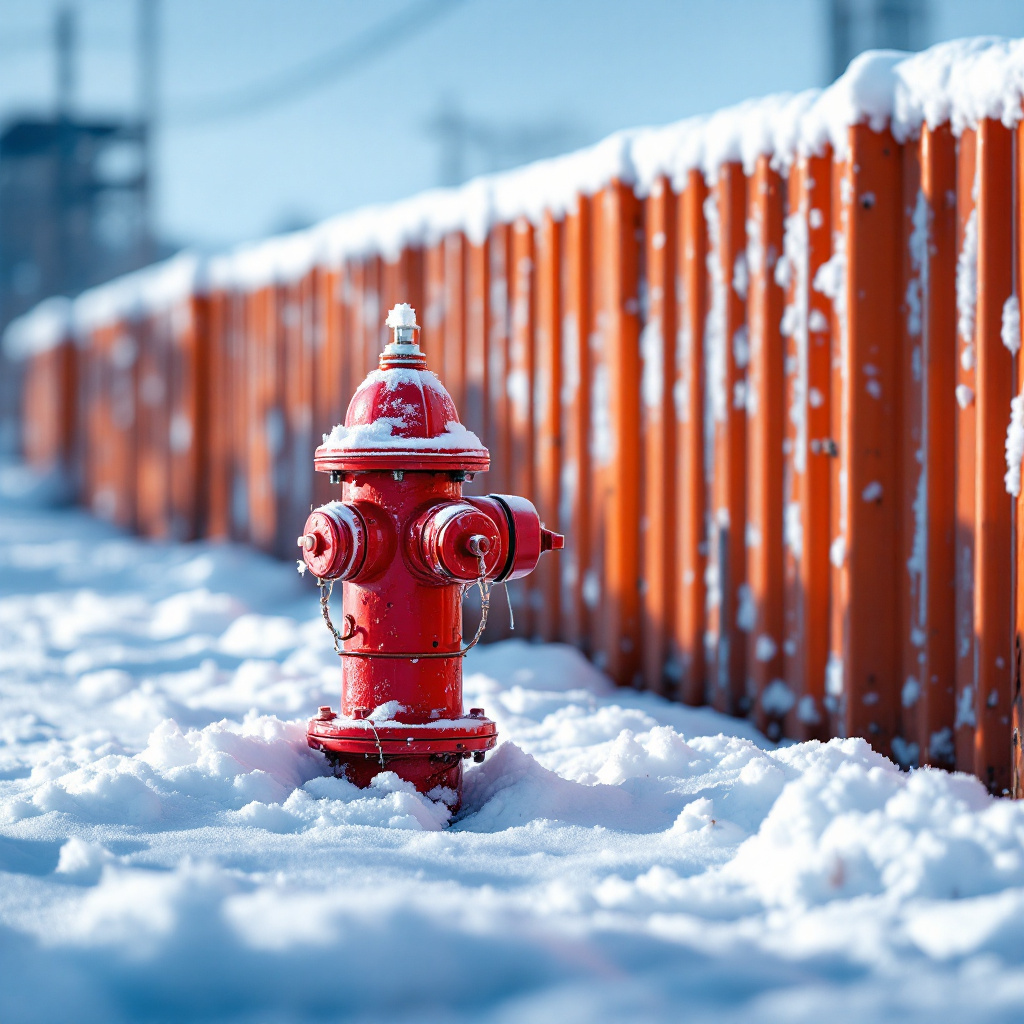
Clear access. Keep a few feet of clear space around the hydrant. Move vehicles, pallets, and equipment. If snow is down, clear it back.
Gather what you know. Site drawings, previous inspection or repair records, and notes about past leaks or impacts all help. If you don’t have any of it, say so. That’s useful too.
Note symptoms. “Won’t turn,” “leaks at the top when it’s open,” “water at the base after rain,” and “got hit by a loader last month” each point the technician in a direction.
Plan for the water shutdown. Repairing a hydrant often means isolating part of your private fire main. If that main also feeds sprinklers or standpipes, your building’s fire protection may be reduced while work happens. Coordinate with your building manager and, if required, your insurer or the local fire department so nobody is surprised. If the same line supplies sprinkler systems, it’s a good time to ask about sprinkler inspections or standpipe systems on the same visit.
Confirm backflow considerations. Hydrant work on private mains sometimes intersects with backflow preventers at the property line. If yours is due for testing, scheduling backflow testing alongside the hydrant visit saves a second trip.
Choosing Who Does the Work
You’ll hear a lot of confident quotes. These questions separate the useful ones.
- Do they work on hydrants every week, or is it a side job?
- Do they know the area? Local crews understand the soil, frost depth, and how Dawson Creek and Grande Prairie systems behave. See our service areas for where we work.
- Will they identify the hydrant model and tell you what parts are involved before ordering?
- Will you get a written report afterward?
- Can they also handle the rest of your fire-protection needs when something else turns up? Our services overview lists everything from sprinklers to cross-connection control.
It also helps to see actual work. Our project portfolio shows examples of regional jobs, and the about page explains who we are and how we operate.
Mistakes That Make Repairs Cost More
A few patterns show up repeatedly.
Waiting for the fire department to find the problem. Fire crews don’t test private hydrants for you. If a private hydrant fails on an emergency, the failure belongs to the property owner.
Opening a hydrant to “test” without closing it fully. A partly closed hydrant won’t drain. Come freeze-up, that’s a cracked barrel.
Using the hydrant as a convenient water source for construction. Hydrant wrenches, unauthorized fittings, and hard use shorten their lives. Use proper arrangements and approved equipment.
Painting over problems. A fresh coat is worth doing, but it isn’t a repair. Paint over corrosion and a leaking cap leaves both problems in place.
Ignoring the valve. The gate valve feeding the hydrant is as important as the hydrant itself. If it can’t close, the hydrant can’t be repaired without shutting down more of your system.
Getting Started
If you’ve got a hydrant that leaks, sticks, doesn’t drain, or has been hit, don’t wait for a better time. The right time is before the ground freezes.
Here’s a simple path:
- Confirm whether the hydrant is municipal or private.
- Note what you’ve seen: leaks, stiffness, damage, drainage problems.
- Gather any records or site drawings.
- Send an enquiry through the site or contact our office and ask for an inspection or quote.
FourPoint Fire & Water handles hydrant inspection, maintenance, repair, and identification across Grande Prairie, Dawson Creek, and the Peace Region, and we can fold sprinkler, backflow, and standpipe work into the same visit if you need it. For more practical reading, visit our Fire & Water Insights and resources pages.