INSPECTION & TESTING

Fire sprinkler inspections

Understand the condition of your sprinkler system, the scope of the checks performed and the work that needs attention. A useful inspection record supports the next decision rather than ending with an unexplained pass or fail.

Grande Prairie · Dawson Creek · Peace Region

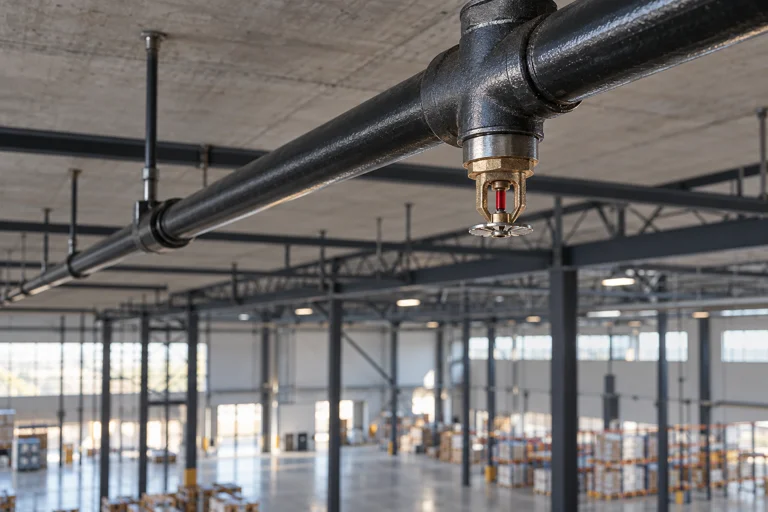
Illustrative sprinkler and exposed piping in a commercial warehouse
AI-generated illustrative imagery. Not a FourPoint project, manufacturer product reference or installation detail.

TECHNICAL SCOPE / WITH CONTEXT

Plan the work.
Understand the record.

01

Inspection and testing answer different questions.

Inspection examines observable condition. Testing evaluates operation or performance through the applicable procedure. Agree the system types, equipment, accessible areas and tests included before the visit. Record anything that cannot be assessed and why; a routine visit is not a complete design verification.

02

Preventative maintenance follows the equipment.

Review previous findings and manufacturer instructions before planning maintenance. Wet, dry and other system arrangements have different components and work requirements. Arrange needed access, alarm coordination and any service interruption in advance. Inspection, testing and maintenance should be identified separately in the scope and report.

03

Deficiencies need a clear record.

Examples that warrant assessment include visible corrosion or leakage, damaged or painted sprinklers, obstructions, missing identification and concerns about valve position or supervision. An observation does not by itself establish the cause or extent of a defect. Describe the location, affected equipment, limitations and proposed next step.

04

Documentation supports follow-through.

Agree the report format and asset identifiers. A useful record identifies the date, system, work performed, test results where applicable, deficiencies, exclusions and outstanding action. Keep earlier records available so repeated concerns can be recognized and corrective work linked to the original finding.

05

Standards and owner responsibilities.

NFPA 25 addresses inspection, testing and maintenance of water-based fire protection systems. Confirm the adopted edition and local requirements for the property. Provide safe access and earlier reports, identify a responsible site contact, disclose changes to occupancy, storage or layout, and arrange follow-up on reported concerns. Do not assume a service visit assesses a changed hazard or certifies the original design.

VALUE TO YOUR SITE

Clarity you can
carry forward.

01

A clear distinction between observed condition and tested performance

02

Prioritized follow-up with limitations recorded

03

A service history that remains useful when site management changes

FREQUENTLY ASKED QUESTIONS

Before work begins.

Does an inspection certify the whole building?

No. The report documents the agreed work and findings. Design review, authority acceptance and certification are separate matters with their own scope and qualifications.

How frequently should checks be scheduled?

Establish the required program using the applicable adopted requirements, equipment instructions and site conditions. Different components and activities may have different intervals.

Can deficiencies be repaired during the visit?

That depends on authorization, parts, qualifications and agreed scope. Repairs and any impairment arrangements must be coordinated rather than assumed included.

START WITH THE SITE

A defined scope.
A useful next step.

Share your location, system information and the work you need to discuss.

Request a service quote

Local planning context.

Use the regional guides to prepare ownership, utility coordination and reporting questions. Contact FourPoint to confirm availability for the actual property.