01 / EVALUATING FIRE HYDRANT SERVICES / INTRODUCTION
The asset condition determines every decision that follows. A property manager or facility operator in Grande Prairie cannot select appropriate service without first understanding what the hydrant requires, who can perform the work, and how the provider documents results.
This guide establishes a decision framework. The reader learns to confirm capability, define scope, and assess process transparency.
Our hydrant services include inspection, maintenance, repair, installation, replacement, excavation, frozen hydrant assessment, identification, troubleshooting, and underground repair enquiries. We welcome enquiries for Grande Prairie, Dawson Creek and the Peace Region.
02 / SCOPE DEFINITION / WHAT FIRE HYDRANT SERVICE INCLUDES
A hydrant inspection and a separately planned flow test have different scopes. Agree the assets, assessment activities, permissions and documentation before the visit.
A separately scoped flow test records supply performance under the agreed test conditions. Interpretation depends on the property requirements and qualified assessment. A pressure reading alone does not diagnose the underground connection.
Where authorized and applicable, the agreed assessment may address operation, visible condition and drainage concerns. Keep a written record of work completed, observations, limitations and follow-up; a report applies to its stated scope.
The full scope should be agreed before work is arranged. This protects both parties from scope expansion without explicit discussion. At FourPoint, we discuss the work, the context and the appropriate next step.
03 / PROVIDER CAPABILITY / CONFIRMING RELEVANT EXPERTISE
A provider’s relevance depends on their familiarity with your specific installed model, their credentials, and their operational experience in northern Alberta conditions.
Installed model identification comes first. Request confirmation that the provider has serviced your hydrant manufacturer and series. The manufacturer library links to official equipment resources; no manufacturer affiliation is implied. For Clow, Brigadier or McAvity equipment, start with the Clow family identification resources and confirm the installed model. Parts availability constraints should be discussed prior to scheduling any repair.
Credential verification matters for work beyond basic inspection. Kevin Ballantyne is a Red Seal Journeyman Sprinkler Fitter, with trade experience since 2001 and full journeyman ticket earned in 2014. His career spans projects from British Columbia to Manitoba, including multilevel industrial facilities of up to 400,000 square feet. Discuss any additional cross-connection qualifications with the office and confirm the credential record appropriate to the proposed work. See FourPoint’s experience and qualification information.
Peace Region operational experience carries weight. Freeze-risk protocols, seasonal access constraints, and utility coordination practices differ from southern Alberta operations. A fire protection company Peace Region operators can rely on understands these variables without explanation.
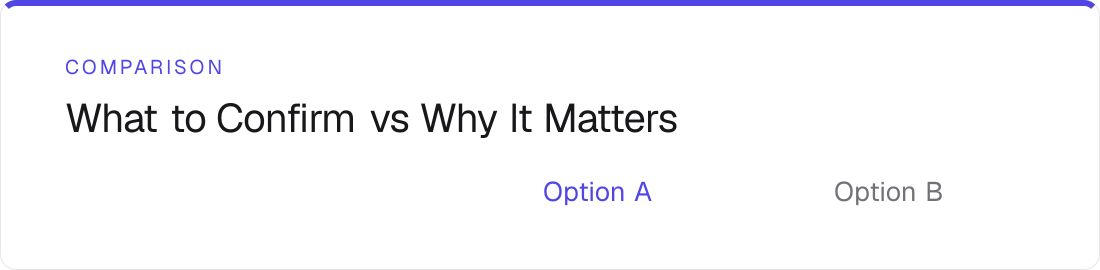
| Capability Element | What to Confirm | Why It Matters |
|---|---|---|
| Installed model knowledge | Manufacturer and series familiarity | Parts fit; procedures match specifications |
| Sprinkler fitter credentials | Red Seal or equivalent trade qualification | Relevant qualifications for the agreed work |
| Regional experience | Peace Region site history | Freeze protocols; access planning; utility relationships |
| Parts access | Inventory or sourcing capability for your model | Repair completion without indefinite delay |
04 / SELECTION CRITERIA / ASSESSING APPROPRIATE FIT
Process transparency separates systematic providers from those who obscure their methods. Request discrete steps with clear ownership of each phase.
Report completeness determines long-term asset value. A service report should identify the asset location, describe observed condition, note measurements from flow testing where included in the agreed work, list deficiencies, and recommend next actions. Both parties should retain copies. Keep inspection records and noted deficiencies with the asset history.
Discuss combined scheduling for standpipe work and backflow testing where appropriate for the site. For mixed fire protection enquiries, list sprinkler, standpipe and backflow assemblies separately so an inspection request does not accidentally become a promise to repair or certify every system. Discuss combined scheduling and confirm whether the provider holds relevant capabilities for each system.
Communication protocols for deficiency findings should be established.
05 / NEXT STEPS / DISCUSSING YOUR PROJECT
Prepare your asset inventory before initiating an enquiry. Note access restrictions and the site contact so the office can understand the property before discussing the work.

In initial contact, confirm: the exact municipality and water supplier; whether the concern belongs with the water utility, the property manager or a contractor; and your preferred timing, operational constraints, and the person who can authorize work.
Scope, access and service availability are agreed before work is arranged. An enquiry starts the conversation; it does not confirm a booking. The office can then discuss scope, access, water-system coordination and service availability for your property.
For properties in Grande Prairie, establish clear ownership of private hydrants before arranging work. For the County of Grande Prairie, separate the property boundary from the service boundary; a mailing address, rural access road and water account can describe different parts of the same site.
Use the findings and available documentation from an agreed visit to plan the next step. Discuss proposed repairs or follow-up with the office to establish appropriate action.
Frequently Asked Questions
What specific services should a fire hydrant maintenance provider offer?
Confirm which inspection, maintenance, testing and reporting activities the provider is qualified and authorized to perform for the installed equipment. A flow test is a distinct scope decision. Record the assets, activities, access limits and deliverables before work is arranged.
How do I know if a provider can service my installed model?
Request confirmation of familiarity with your hydrant manufacturer and model series. The provider should discuss the asset condition and any parts availability constraints prior to scheduling. At FourPoint, our manufacturer library links to official equipment resources for verification purposes.
How often should commercial fire hydrants be tested?
Inspection and flow-testing intervals depend on applicable adopted requirements, the owner program and installed equipment. Confirm the required activities and schedule for the property with the responsible authority and qualified provider, then keep the schedule with the asset history.
What distinguishes a fire protection company in the Peace Region from a general contractor?
Ask about relevant qualifications, installed-model experience, parts sourcing, access planning and utility coordination. FourPoint’s experience information distinguishes Kevin’s career background from published FourPoint project records.
What should be included in a hydrant service report?
A useful report identifies the asset and agreed work, describes observed condition, records measurements where testing was performed, lists findings and limitations, and recommends next actions. Both parties should retain copies. Keep inspection records and noted deficiencies with the asset history, and discuss proposed repairs or follow-up with the office.
Can hydrant maintenance be coordinated with other fire protection system servicing?
Yes. Scope integration with sprinkler, standpipe, and backflow testing reduces site disruption. Discuss combined scheduling and whether the provider holds relevant capabilities for each system. List systems separately in your enquiry so inspection scope remains distinct from repair obligations.
Discuss your project ↗