If your property has a hydrant on it, someone has to keep it working, and in many cases that someone is you. Fire hydrant services Grande Prairie owners and managers search for usually come down to four things: inspection, maintenance, repair, and identification. Get those four handled on a schedule and the hydrant does its job the one day it matters. Skip them and you find out it’s frozen, buried, or leaking at the worst possible moment.
This guide covers who is responsible for which hydrant, what each service involves, what the Peace Region’s winters do to hardware, and how to line up a visit without losing a day of operations.
First Question: Whose Hydrant Is It?
People assume every hydrant belongs to the municipality. It doesn’t. There are two broad categories, and the difference decides who pays for upkeep.
Municipal hydrants sit on public right-of-way, usually along streets, and are looked after by the city or county water utility. If one is damaged on a public street, you report it to the municipality rather than hiring a contractor.
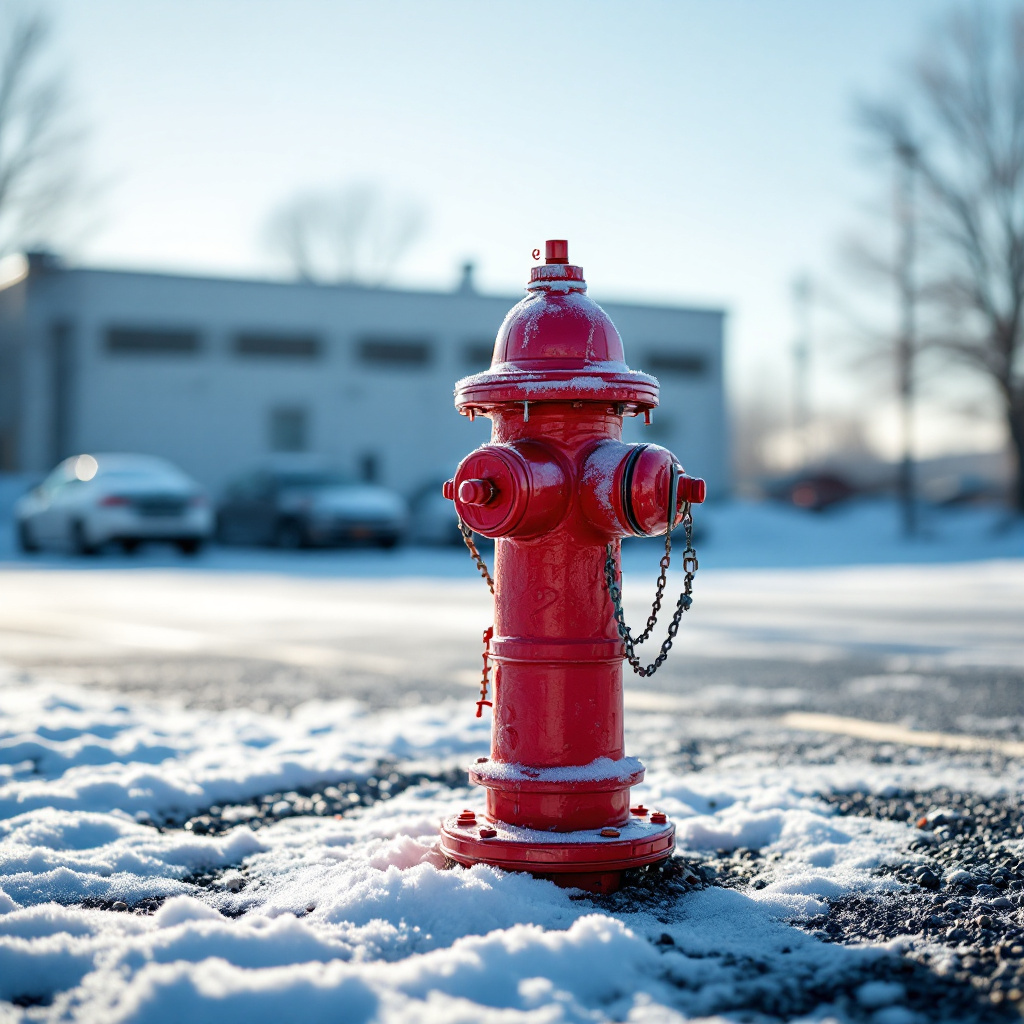
Private hydrants sit on private property and connect to a private fire main. You’ll find them at industrial yards, shopping centres, apartment complexes, hospitals, schools, oilfield service sites, and large commercial lots. The property owner is responsible for keeping them serviceable. Your insurer, your fire code obligations, and the local fire department’s expectations all point back to you.
A few signs you have private hydrants:
- They’re on your site plan or as-built drawings as part of the fire service line.
- They sit inside your fence line, parking lot, or laydown yard.
- The valve that isolates them is on your property rather than in the street.
If you’re unsure, ask the municipality’s utility department or check your site drawings. A short call now beats an argument later about who should have caught a problem.
What Fire Hydrant Services Grande Prairie Properties Need
There’s a natural progression here. You identify what you have, inspect it, maintain it, and repair what the inspection turns up. Here’s how each piece works in practice. You can see the full range on the hydrant services page.
Inspection
An inspection answers one question: will this hydrant deliver water when the fire department connects to it? It’s a hands-on check rather than a drive-by glance. More on the steps below.
Maintenance
Maintenance is the preventive side. Lubricating the operating mechanism, checking and greasing caps and threads, confirming drainage, clearing obstructions, and touching up paint all belong here. It’s cheaper than repair and it’s the main reason one hydrant lasts decades while its neighbour seizes up in ten years. Details are on the hydrant maintenance page.
Repair
Repair covers what fails despite good care, or what was neglected for too long: leaking barrels, damaged nozzles, stripped threads, broken stems, seized operating nuts, and hydrants that were clipped by a plow or a delivery truck. See the hydrant repair page for the typical scope.
Identification
Identification means knowing exactly which hydrants you have, where they are, what they’re connected to, and what condition each is in. It sounds like paperwork. It’s the foundation of everything else, and we’ll get to why below.
What a Hydrant Inspection Actually Involves
Here’s the general sequence a technician follows on a typical dry-barrel hydrant. Specific procedures vary with the manufacturer and model, which is one reason a manufacturer reference library matters to us.
- Walk-up check. Look at clearance around the hydrant, visible damage, leaning, paint condition, and whether the hydrant is reachable from the access route a fire truck would use.
- Cap and outlet check. Remove the caps, inspect the threads and gaskets, and confirm the caps come off without a fight. A cap that needs a cheater bar in a calm inspection will cost minutes in an emergency.
- Operate the hydrant. Open it fully, watch for smooth stem travel, and listen and look for leaks at the barrel, flange, and outlets. A hydrant that has never been exercised often reveals its problems the first time someone cranks it.
- Flush. Let water run long enough to clear sediment and confirm flow before closing.
- Close and check drainage. On dry-barrel hydrants the barrel should drain after shutdown. Water left standing in the barrel is what freezes and splits things in winter.
- Lubricate and reassemble. Apply the right lubricant, replace caps, and make sure they’re snug without being over-tightened.
- Record the results. Condition, deficiencies, photographs, and recommended work get written down so you have a trail.
That last step is the one owners underrate. A written record shows your insurer, your fire inspector, and your future self what was done and when.

How Often Should Hydrants Be Serviced?
A yearly inspection is the standard most owners work toward, and in a climate like ours the timing within the year matters. Many property managers split it into two touchpoints: a thorough inspection and operation in the warmer months, and a quick pre-freeze check of access and drainage in the fall.
Some situations call for extra visits:
- After a vehicle strike or any visible damage.
- After construction near the hydrant or the underground fire main.
- When a tenant change or site expansion alters the access routes.
- Whenever a fire department flushes or uses the hydrant.
- If you notice pooling water near the base, which can point to a leak below grade.
Check your insurance policy and local fire code requirements for the frequency they expect. If they ask for more than annual, follow them.
Winter in the Peace Region: What Cold Does to Hydrants
Grande Prairie and Dawson Creek see stretches of deep cold, and most hydrant failures here have a winter story behind them.
Frozen barrels. A dry-barrel hydrant is designed to drain through a small valve at the base once the main valve closes. If that drain is plugged, or the surrounding soil is saturated, water stays in the barrel and freezes. The hydrant may not open when needed, or it may crack as ice expands.
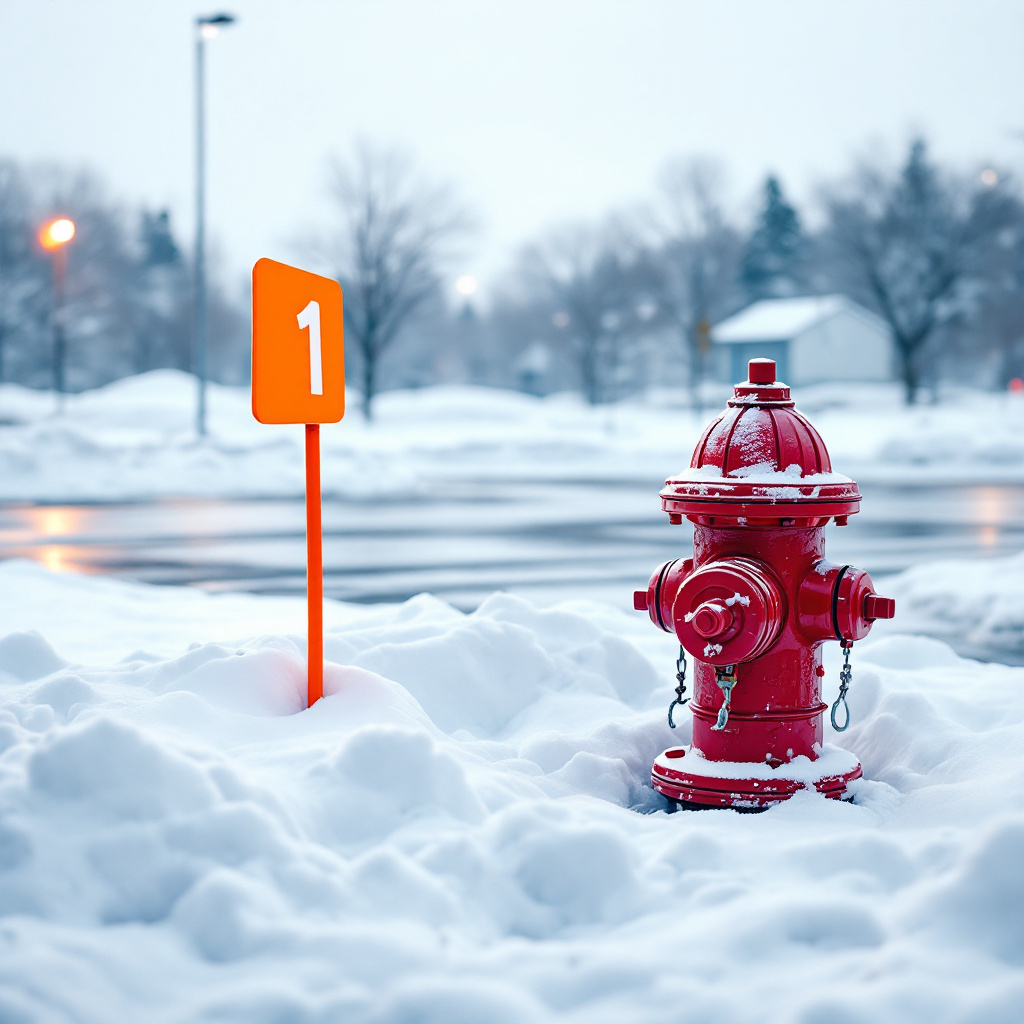
Snow burial. A hydrant under a plow windrow is invisible to a crew arriving at night in a blizzard. Clearing is the owner’s job on private property, and it has to be repeated after every storm.
Frost heave. Ground movement can shift a hydrant out of plumb or stress the connection below it. A hydrant that leans a little more each spring needs attention before it breaks.
Seized hardware. Moisture plus freezing temperatures plus dried-out lubricant equals an operating nut that won’t turn.
Practical winter habits that cost almost nothing:
- Mark each hydrant with a tall flag or stake so plow operators can see it.
- Keep a clear path and roughly a metre of open space around it (confirm what your local requirements specify).
- Tell your snow contractor, in writing, where the hydrants are and not to pile snow on them.
- Look for ice or pooling at the base after thaw cycles.
Common Findings and What They Cost You in Time
Inspectors see the same handful of issues repeatedly. Knowing them lets you budget and prioritize.
Easy fixes
Seized or dry caps, worn gaskets, faded paint, and vegetation or debris near the hydrant. These are routine maintenance items, usually resolved during the same visit.
Moderate repairs
Leaking outlets, damaged nozzles, a stiff operating stem, or a clogged drain. These may need parts and a return trip, but they’re manageable if caught early.
Bigger jobs
A cracked barrel, a broken stem, a failed main valve, or an underground leak. These take planning, and sometimes a shutdown of the fire main, so your building’s fire protection needs a coordinated plan while work happens. Ask about impairment procedures and who notifies your insurer and the fire department.
The cost difference between catching a stiff stem and replacing a broken one is real. Annual maintenance is the cheapest insurance on the list.
Why Identification Is the Most Overlooked Service
Walk any large property and ask three people how many hydrants it has. You’ll get three answers.
Identification gives you a reliable list: a count, locations, an ID for each, the model or manufacturer where it can be determined, and a condition rating. It matters for several reasons:
- Inspection coverage. If nobody knows a hydrant exists, nobody inspects it.
- Parts and repair. Knowing the manufacturer and model before the technician arrives saves a second trip.
- Emergency response. Fire crews pre-planning a site want to know what’s there and where.
- Site changes. After paving, fencing, or building additions, hydrants get hidden, relocated, or orphaned.
FourPoint Fire & Water is hydrant-first for this reason: identification and records are where good service starts. The site also offers manufacturer information and an Android application to help with access, and the resources section points to references that help you match hardware to documentation.
Hydrants Rarely Stand Alone
Your hydrant sits on the same fire service line as other protection systems, and a problem in one can affect the others. Facilities with a hydrant program often need related services scheduled in the same season:
- Sprinkler inspections, plus repairs and installations if the inspection turns up deficiencies.
- Backflow testing on devices protecting your potable water supply.
- Cross-connection control review where fire and domestic systems meet.
- Standpipe systems in multi-storey and larger buildings.
Bundling these into one planned visit reduces disruption, and one provider means one set of records. You can see the whole range on the services page.
How to Choose a Hydrant Service Provider
A few questions separate a dependable contractor from one who’ll leave you with a clipboard of vague notes.
- Do they work locally? Regional knowledge of frost depth, soil, and winter access matters. FourPoint covers Grande Prairie, Dawson Creek, and the wider Peace Region, which you can confirm on the service areas page.
- What do they deliver afterward? Ask for written results with deficiencies listed and photos where practical.
- Can they repair as well as inspect? One company handling both avoids delays between finding a problem and fixing it.
- Do they have relevant experience? Look at project examples and customer reviews. Our portfolio and about page are the places to start.
- How do they handle impairments? If a fire main has to be shut down, who notifies whom?
- How easy is it to reach someone? A direct phone number and a named contact beat a generic inbox.
Getting Ready for a Service Visit
A little preparation makes the visit faster and the results better.
- Clear snow, vehicles, and stored materials from around each hydrant.
- Gather site drawings, past inspection reports, and any known issues.
- Let tenants, security, and operations staff know when the work happens, since flushing produces noise and runoff.
- Think about where flushed water will go. Frozen ground and icy lots make that a safety question in cold months.
- Name one person on site who can approve minor repairs and answer questions.
Flushing in winter deserves a plan. Water on a frozen lot becomes an ice hazard within minutes, so discuss drainage and timing with your provider ahead of the visit.
Your Next Step
Start with a count. Walk your property, list every hydrant you find, note which ones are hard to reach or visibly damaged, and compare that to your drawings. Then ask for an inspection and a quote.
FourPoint Fire & Water can inspect, maintain, repair, and identify hydrants across the Peace Region, and the site has a direct enquiry form and contact details for the office and Kevin. If you want more background first, the Fire & Water Insights section has related reading. Book before the freeze, and the hydrant that matters on the coldest night of the year will open when someone turns the nut.