If your building has a backflow preventer, it needs to be tested by a certified tester, and for most commercial, industrial, institutional and multi-unit properties that means once a year. Backflow testing in Grande Prairie is a short visit when it’s planned well: a single, accessible assembly usually takes 30 to 60 minutes. It becomes a headache when the device is buried in a frozen vault, the sprinkler system has to come offline without notice, or last year’s report can’t be found.
This guide is written for the people who actually arrange the work: building managers, facility and operations staff, owners of multi-unit properties, and contractors closing out a project. You’ll find what the test checks, what to prepare, where fire lines differ from domestic lines, and what Peace Region winters do to the schedule.

What a backflow preventer is protecting
Your building’s water system is under pressure from the municipal main. Normally water flows one way: from the main into your piping. Backflow is the reverse. A main break, a heavy fire-flow draw somewhere else on the system, or a pump on your side pushing harder than the supply can all change the pressure balance and pull or push water backward.
If your piping holds anything other than clean drinking water at that moment, it can travel back into the public supply. Think of boiler loops with treatment chemicals, irrigation lines with fertilizer residue, sprinkler piping with stagnant water and corrosion inhibitors, or process water in an industrial plant. Any connection where that could happen is a cross-connection, and a backflow preventer is the mechanical barrier on it.
A preventer is only a barrier if its internal parts work. Check valves foul with grit, springs weaken, seats wear, and relief valves stick. You can’t see any of that from outside, which is the whole reason for the annual test. For the broader program of identifying and managing those connection points, see our page on cross-connection control.
Which devices need testing
Not every device is the same, and the type decides what the tester does. These are the ones you’ll run into most often on commercial and multi-unit properties:
| Device | Typical location | What it does |
|---|---|---|
| Reduced pressure principle assembly (RP) | Domestic water entries, boiler feeds, higher-hazard connections | Two check valves with a relief valve between them that dumps water if pressure fails |
| Double check valve assembly (DCVA) | Lower-hazard connections, some fire lines | Two check valves in series, no relief valve |
| Double check detector assembly | Fire service entries with a meter bypass | DCVA with a small bypass line that detects leakage or unauthorized use |
| Pressure vacuum breaker (PVB) | Irrigation systems | Air inlet opens to break a siphon; installed above the highest outlet |
The hazard level of what’s downstream decides which device is required. A restaurant’s carbonated beverage system, a car wash, a dental clinic, a hydronic boiler and a sprinkler system don’t carry the same risk, so they don’t carry the same device. If you inherited a building and don’t know what’s installed, a walk-through is the cheapest first step. Our backflow testing service page outlines how that starts.
Backflow Testing Grande Prairie: what happens on test day
Knowing the sequence helps you schedule properly and tell occupants what to expect.
- Notice goes out. Tenants or staff are told the water to the tested line will be shut off for a short window. For domestic lines that’s usually under an hour. Restaurants, clinics and salons need the most warning.
- The tester confirms the device. Make, model, size, serial number and location are checked against last year’s record, and the assembly is inspected for visible leaks, damage and correct installation (orientation, clearances, air gap on the relief port).
- Test kit connects. The tester attaches a calibrated differential pressure gauge to the assembly’s test cocks and flushes the lines to clear debris.
- Water is shut off and the tests run. On an RP assembly the tester checks that the first check valve holds a minimum differential, that the relief valve opens at the right pressure drop (the relief valve must open when the differential falls to 2 psi), and that the second check valve seals. A DCVA gets a tightness test on each check valve.
- Results are recorded. Pass or fail for each component, with readings.
- Water is restored and the line is purged. Air is bled out so occupants don’t get sputtering taps.
- Paperwork follows. The report goes to you, and to the water utility if the municipality requires submission.
A clean pass takes about as long as it takes to read this list. A failure adds repair time, which we’ll get to.
What you can do before the tester arrives
This is where most delays are won or lost.
- Clear access. The assembly needs room around it. Stored pallets, shelving or a parked scissor lift in front of the device will cost you time and sometimes the visit.
- Locate the shutoffs. Know where the upstream and downstream isolation valves are, and make sure they actually close. A seized gate valve will stop a test cold.
- Pull last year’s report. It speeds up identification and shows whether a part was marginal last time.
- Check drainage. An RP assembly can discharge a lot of water through its relief port. If the floor drain is blocked or missing, you’ll have a puddle, or worse.
- Tell the occupants. Especially anyone running dishwashers, laboratory equipment or anything that can’t lose supply mid-cycle.
Fire lines are a different job
The domestic water test is a nuisance. The fire line test is a planning item.
When a backflow assembly on your fire service is isolated and tested, the sprinkler system or standpipe it feeds is out of service for that window. For that period your building has reduced or no automatic fire protection. That calls for planning, not panic:
- Notify your insurer if your policy requires notice of impairments.
- Tell building staff and, where appropriate, the local fire department.
- Schedule the test for a low-occupancy window.
- In higher-risk buildings, consider a fire watch for the duration.
- Don’t stack it with other impairments. If a sprinkler zone is already shut for repairs, move the backflow test.
This is the real argument for booking fire line testing with a company that also does fire protection work. Someone who understands sprinkler inspections and standpipe systems knows what the impairment means, sequences the work to keep it short, and can restore the system and verify it before leaving.
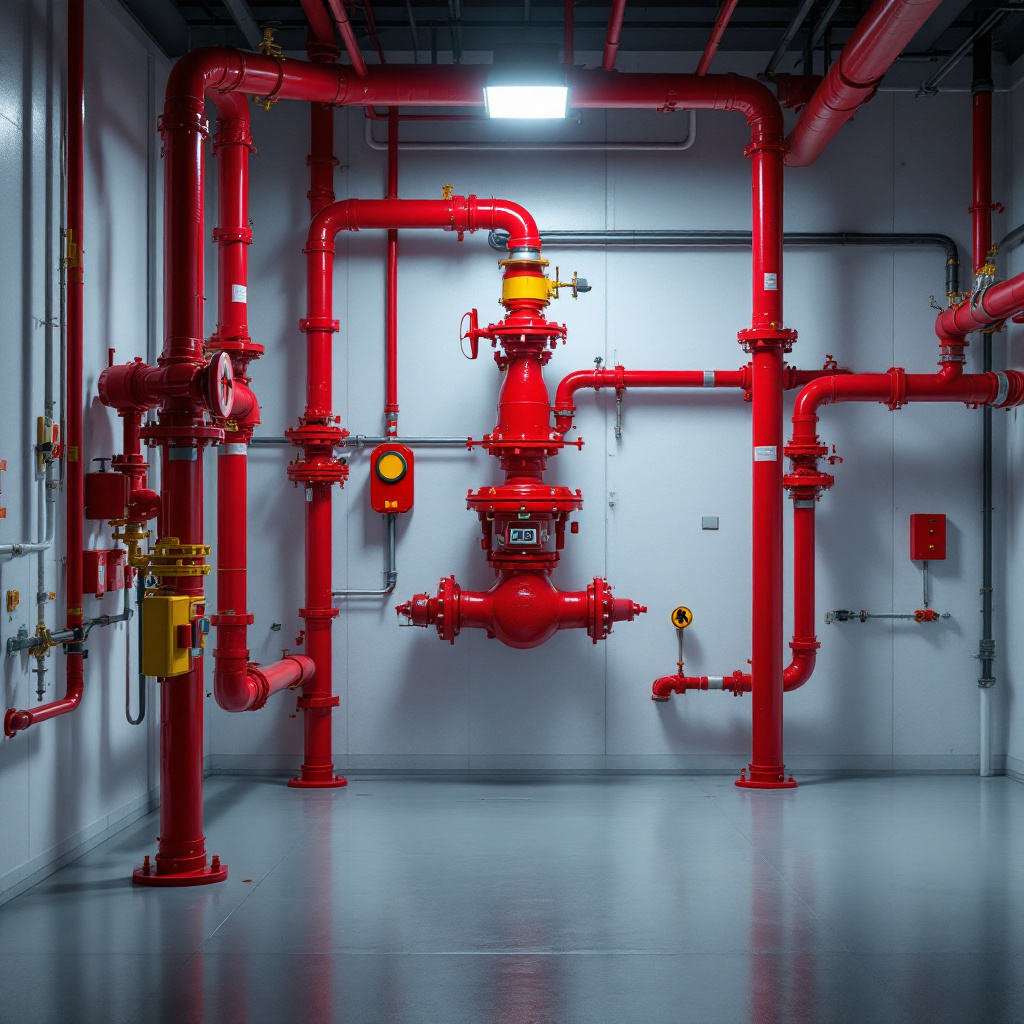
There’s also a scheduling benefit. If your annual sprinkler inspection and your fire line backflow test happen on the same day, you take one impairment window instead of two. Ask about bundling when you book.
Winter, vaults and the Peace Region reality
Grande Prairie and Dawson Creek don’t give anyone a free pass on cold weather. It shapes backflow work in three ways.
Freeze damage is the top silent killer. An outdoor assembly in an unheated or poorly insulated enclosure can crack a body or a check valve housing during a cold snap, and you won’t know until the spring test or the first leak. Enclosures need working heat or heat trace, and the heat needs checking in autumn, not January.
Irrigation devices follow the calendar. PVBs and other irrigation assemblies get tested in spring after startup, or in fall before blowout. Everyone wants the same two-week window. Book early or you’ll be waiting.
Below-grade vaults are the hardest to reach. Standing water, ice, confined-space concerns and tight clearances make a vault device take longer and cost more than the same assembly in a mechanical room. If you’re planning a new installation, put the assembly indoors or in a proper above-grade heated enclosure. Future you will thank you every year.
If you manage properties in several communities, our service areas page shows where we work across the Peace Region, so you can group visits geographically instead of paying for scattered trips.
When a device fails
Failure is common enough that you should budget for it. A failed test means the assembly isn’t protecting your connection, and most jurisdictions expect it repaired and retested promptly.
The usual culprits are small and cheap:
- Fouled check valve seats or discs. Grit, scale or a bit of debris keeps the valve from sealing. A cleaning often fixes it.
- Worn rubber parts. Discs, seat rings and O-rings harden over time. A rebuild kit replaces them.
- Tired springs. The check valve no longer holds the required differential.
- A sticking relief valve on an RP. It opens late, or leaks continuously.
- Damaged body or freeze cracks. This is the expensive one, because the assembly gets replaced.
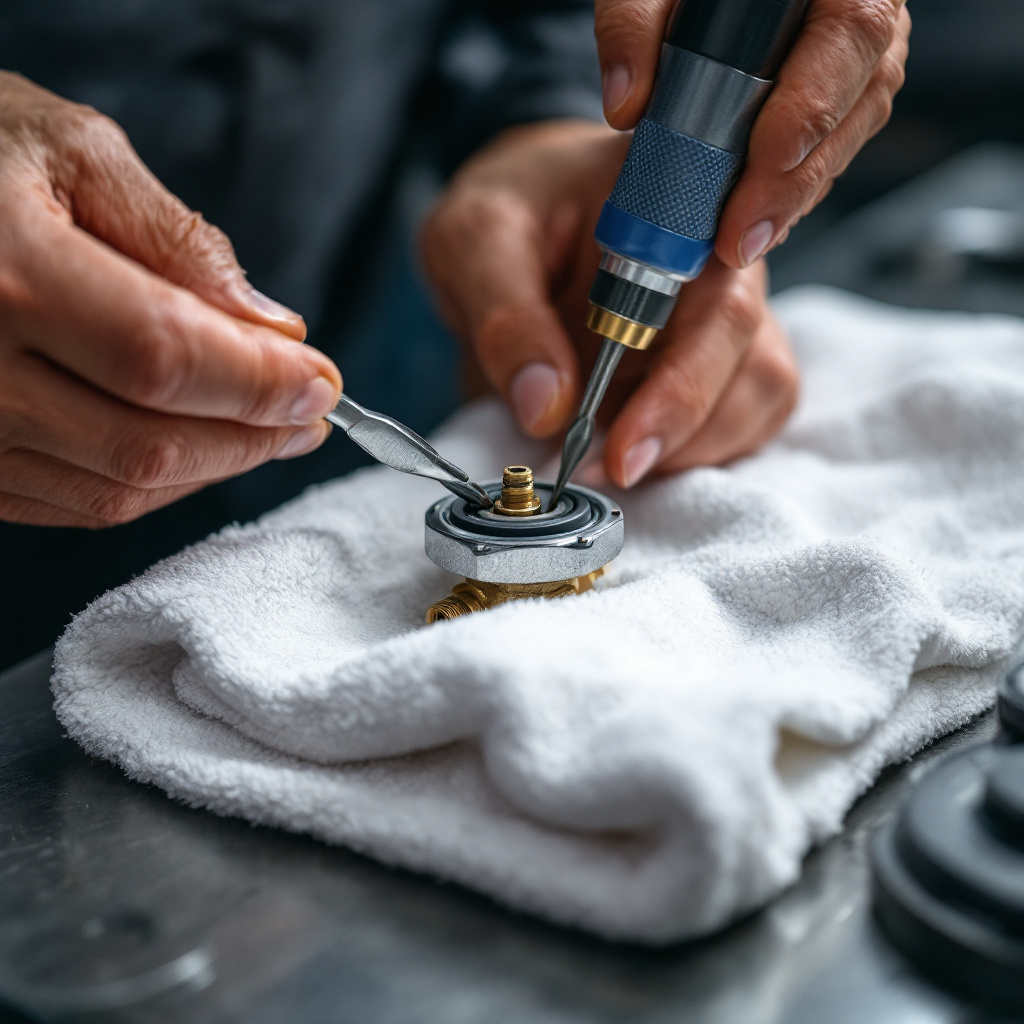
Most failures are repaired on the spot with a rebuild kit, and the assembly is retested the same visit. That’s the advantage of hiring a tester who can also repair; otherwise you’re booking a second contractor and waiting. If the unit is old, discontinued, or the repair cost is close to replacement cost, replacement is usually the better spend. Parts availability for older models gets thin, and a new assembly resets your maintenance picture.
A constantly dripping relief valve is worth a mention. Facility staff sometimes treat it as normal. It isn’t. A discharging RP means something is wrong: fluctuating supply pressure, a fouled check valve, or both. Report it, don’t mop around it.
Records, deadlines and who needs the report
A test only counts if it’s documented. Keep a file for each assembly with its location, size, model, serial number, installation date, and a copy of every test and repair report. When something changes, whether a tenant moves in, a process changes or a renovation touches the piping, update the file and check whether the hazard classification has changed.
Who wants the report depends on your property:
- The municipal water utility may require submission of results and may send reminders. Check with the City or your local utility about their current reporting requirements, since they can change.
- Your insurer often asks for evidence of fire line testing.
- Lenders, buyers and auditors ask for it during due diligence. Missing records can slow a sale.
- Your own contractors need it to know what they’re working with.
Backflow testing and field standards in Canada are generally guided by CSA B64.10, the standard covering selection, installation, maintenance and field testing of backflow preventers, and local plumbing codes set the installation requirements. Your tester should be working to those and be able to tell you what applies to each device.
Set a recurring annual calendar entry tied to the last test date, not the calendar year. If your test was done in June, schedule next June, and book 60 days ahead.
What to ask before you hire a tester
Price matters, but a cheap test that produces unusable paperwork costs more. Ask:
- Are your testers certified, and can I see current credentials?
- Is your test gauge calibrated, and how recently?
- Do you handle repairs and retests on the same visit, and are common rebuild kits stocked on the truck?
- Can you test fire line assemblies and coordinate the impairment with my sprinkler system?
- How do I receive reports, and do you submit them to the utility where required?
- Can you bundle backflow with sprinkler or hydrant work to cut visits?
If you’re already working with us on fire hydrants, our hydrant services and the broader services overview show how the pieces fit together. Backflow testing, sprinkler inspection and repair, standpipe service and hydrant work are all part of the same fire-protection program, and one provider tracking all of it makes annual planning much simpler. If a failed assembly points to a bigger issue in the sprinkler piping, our sprinkler repairs team can take it from there.
Book it before the deadline does
The simplest way to handle backflow testing in Grande Prairie is to treat it like any other fixed annual obligation: list every assembly on the property, note the date of the last test, and book the next one before it’s due, with fire lines scheduled for a quiet window. Do an autumn walk-through of outdoor enclosures, and keep a clean file for each device.
If you’d like a hand, or you’re not sure what’s installed in your building, use the enquiry form on the site to request a test or a quote. Tell us the address, the device type if you know it, and whether the assembly is on a fire line, and the office will take it from there.