TROUBLESHOOTING & RESTORATION

Fire sprinkler repairs

A sprinkler repair begins with a defined concern and a plan for the protection affected by the work. Investigation, compatible components and a documented restoration process all matter.

Grande Prairie · Dawson Creek · Peace Region

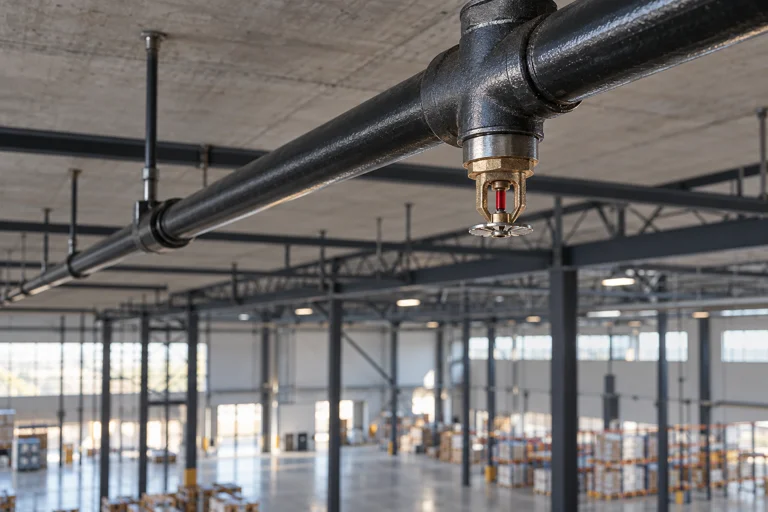
Illustrative sprinkler and exposed piping in a commercial warehouse
AI-generated illustrative imagery. Not a FourPoint project, manufacturer product reference or installation detail.

TECHNICAL SCOPE / WITH CONTEXT

Plan the work.
Understand the record.

01

Troubleshoot the concern before choosing the repair.

Provide the exact location, observed symptom and earlier service history. Leakage, pressure concerns or repeated supervisory indications may require different investigations. Establish what is known, what remains uncertain and whether specialist design or manufacturer input is needed. This website does not diagnose a system from a symptom alone.

02

Valve repairs need component-specific information.

Identify the valve manufacturer, model, size and system function. Confirm isolation responsibilities, access, repair options and suitable parts. A valve repair is not permission to change the system arrangement or substitute an unverified component. Keep applicable instructions with the work scope.

03

Replacement is a compatibility decision.

Record the component markings and existing system information before selecting replacement equipment. Sprinkler and valve substitutions can affect the approved arrangement. Where the existing design or component identity is unclear, resolve that uncertainty with the appropriate qualified parties rather than choosing by appearance.

04

Manage the impairment before work begins.

Identify the responsible site representative and the protection affected. Agree notifications, monitoring coordination, any required temporary measures and how the interruption will be controlled. The site’s applicable impairment process determines the necessary actions; this page does not prescribe one universal fire-watch arrangement.

05

Restore service and document the result.

Repair completion and return to service are distinct steps. Plan the relevant checks, restoration of affected controls and monitoring, and communication to the responsible parties. Record the repaired components, verification performed, remaining limitations and restoration status. Avoid describing a repaired part as proof that the entire system is compliant.

VALUE TO YOUR SITE

Clarity you can
carry forward.

01

A repair scope grounded in findings rather than assumptions

02

Planned disruption and communication for the occupied site

03

A traceable repair and restoration record

FREQUENTLY ASKED QUESTIONS

Before work begins.

Can I shut a valve before someone attends?

Do not operate fire-protection controls based on website advice. Follow the site’s authorized impairment and incident procedures and contact the responsible personnel.

Is every leak a simple fitting replacement?

No. Investigate the source and extent first. The visible leak may not describe the complete repair requirement.

Is a repair report a new system approval?

No. A repair report records the work and checks within its scope. Design approval and authority acceptance remain separate.

START WITH THE SITE

A defined scope.
A useful next step.

Share your location, system information and the work you need to discuss.

Request a service quote

Local planning context.

Use the regional guides to prepare ownership, utility coordination and reporting questions. Contact FourPoint to confirm availability for the actual property.