
IDENTIFICATION FIELD NOTE
Capture evidence.
Avoid assumptions.
A useful identification record pairs visible markings with context. Photograph only from a safe, permitted position; do not operate or dismantle equipment to complete this checklist.
PHOTOGRAPH CHECKLIST
Five views that
improve the enquiry.
- Whole asset and its location, including an existing asset marker.
- Legible manufacturer, model and year castings or labels.
- Visible bonnet and operating-nut arrangement.
- Outlet configuration and visible flange details.
- The reported defect, photographed without approaching an unsafe condition.
Record the site, date, observer and known recent work. Keep serial or date markings exactly as found; label uncertain readings as uncertain. Photos do not establish internal condition or a buried connection.
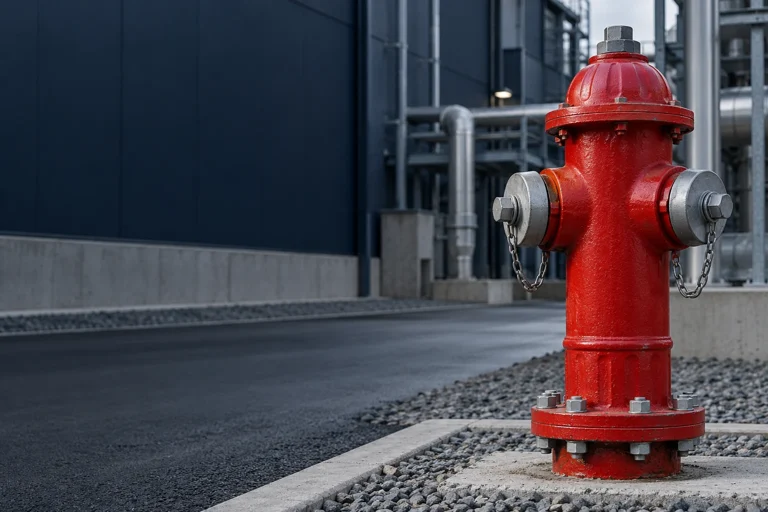
What appearance cannot prove.
Paint colour, body shape or a familiar cap can help describe an asset, but they do not confirm parts compatibility, rated pressure or maintenance history. Modified and legacy assemblies require particular care.
Turn observations into a record.
Compare the installed markings with the official identification section, not just a product image. Preserve uncertainty in the record and obtain manufacturer confirmation before selecting parts.
Search model-specific resources →START WITH YOUR SITE
A clearer brief.
A better conversation.
Tell us what you know about the equipment and the work you need to plan.
Discuss your project